

Senate Republicans celebrate Dobbs anniversary by advancing anti-abortion judicial nominees
They’re holding a hearing on one and confirming another.
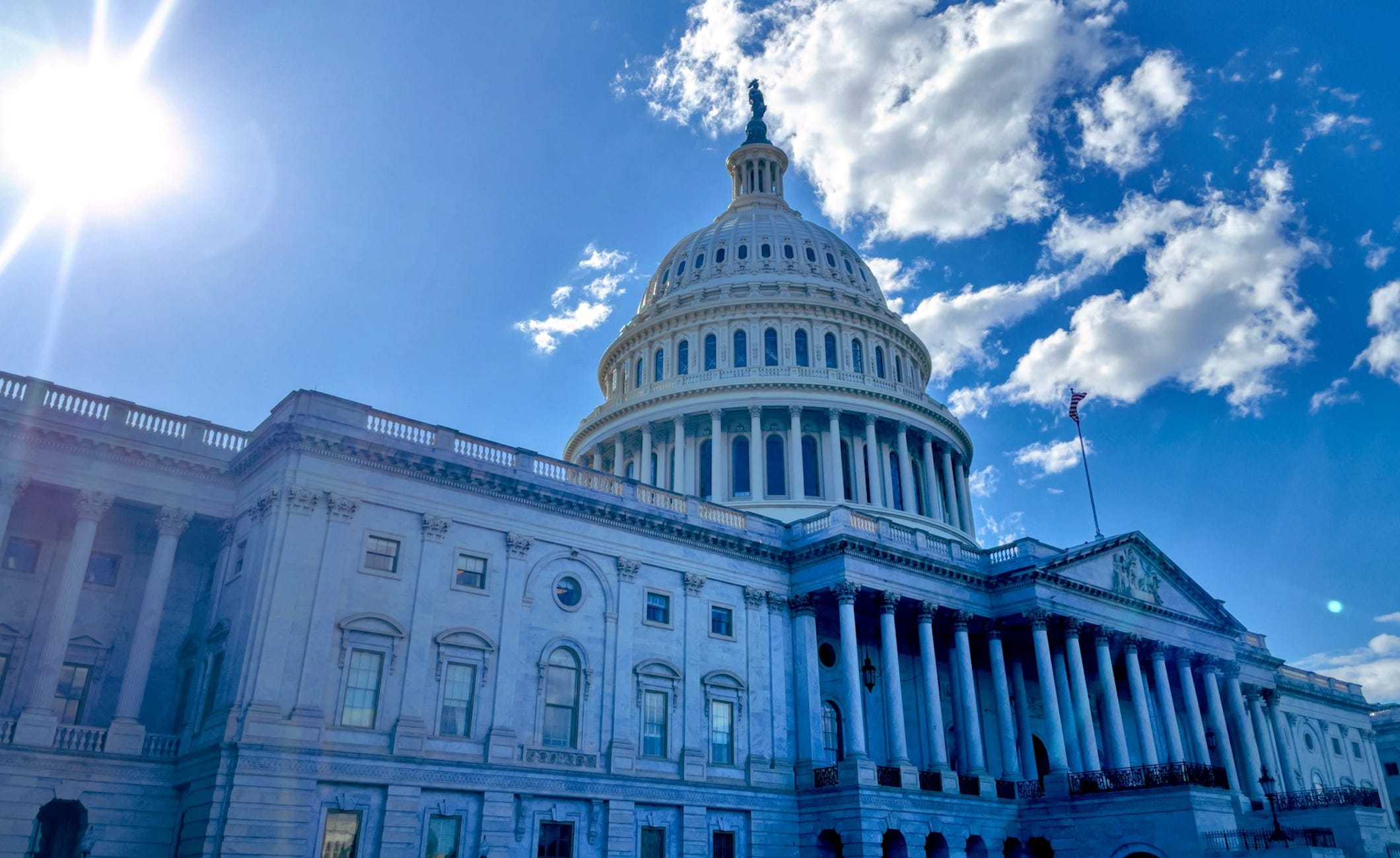
The Senate Judiciary Committee this morning is holding a hearing on two more of Trump’s nominees for lifetime federal judgeships, including Matthew Byrne for the U.S. District Court for the Southern District of Ohio.
Throughout his career, Byrne has been a fierce opponent of reproductive freedom. While that is not unusual for Trump’s judicial nominees, it is notable because today’s hearing is happening on the anniversary of Dobbs v. Jackson Women’s Health Organization — the 2022 Supreme Court decision that overturned Roe v. Wade. Trump’s three Supreme Court appointees made that decision possible.
In college writings, in blog posts published under a pseudonym, and in responses to endorsement surveys during his campaign for a judgeship in Ohio, Byrne has repeatedly demonstrated his deep commitment to conservative causes — especially his unyielding opposition to reproductive freedom and abortion access. “In other words, my pro-life credentials cannot be questioned,” he wrote on one judicial candidate survey. And that has played out: As a judge in Ohio, Byrne has ruled against access to abortion.
There’s more: This afternoon, the Senate will vote to invoke cloture on — and then to confirm — the nomination of Mike Hendershot to serve on the Northern District of Ohio. Like Byrne, Hendershot is a white man from Ohio who has dedicated his career to working against fundamental rights and freedoms. Since 2011, he has served as chief deputy solicitor general of Ohio — a position that’s given him the power to threaten abortion access.
Reproductive Freedom for All has documented Hendershot’s extensive anti-abortion record, in addition to his record working against democracy and voting rights, LGBTQ+ equality, and more. For example:
As Chief Deputy Solicitor General of Ohio, Hendershot defended a law that banned abortion before most people know they are pregnant. Hendershot was the counsel of record in the case and filed numerous briefs and appeals attempting to lift lower court injunctions that had paused the ban, allowing clinics to resume services during litigation. He unsuccessfully argued that Ohio had the right to strictly regulate and criminalize abortion access following the Supreme Court’s Dobbs v. Jackson Women’s Health Organization decision. Hendershot continued these efforts even after a majority of Ohioans voted to enshrine reproductive rights in their state constitution in November 2023 through the Issue 1 ballot measure.
It is worth noting that this issue was argued before the Ohio Supreme Court by former solicitor general of Ohio, Benjamin Flowers, whose nomination to the Sixth Circuit is currently pending on the Senate floor. It is also worth noting that, even though this case was ultimately dismissed following Ohio voters’ passage of the Reproductive Freedom Amendment (Issue 1), Matthew Byrne dissented from that dismissal.
Trump had two Ohio district court seats to fill, in addition to an Ohio-based seat on the Sixth Circuit — and he chose three men who have tried to ban abortion in the state before most people know they’re pregnant. The Senate is taking action on two of those nominations today on the anniversary of Dobbs.
Already this month, the Senate has confirmed multiple lifetime judicial nominees with anti-abortion records, including Katie Lane for the District of Montana, Tony Mattivi for the District of Kansas, Tony Powell for the District of Kansas, and Justin Smith for the Eighth Circuit. Twenty-one organizations wrote to senators about these individuals, saying that “Each of these nominees has a troubling record of opposing reproductive freedom, and together they paint a clear picture of the judiciary the Trump administration is trying to create: courts that are hostile to the basic reproductive rights and freedoms of all Americans.”
Throughout both of Trump’s terms, hostility to reproductive freedom has been a hallmark of his judicial nominees. During the very first hearing on judicial nominations during his second term, for example, the Senate Judiciary Committee considered the nominations of anti-abortion activists like Whitney Hermandorfer, Josh Divine, and Maria Lanahan, who are all now serving — for life — on the federal bench. Once confirmed, his appointees — like Matthew Kacsmaryk, Kyle Duncan, and James Ho — are infusing their bias into decisions that impact millions of people’s lives, rights, and freedoms.
The Senate isn’t done. Yesterday, Senate Majority Leader John Thune filed cloture on the nomination of Matthew Schwartz, one of Trump’s personal lawyers, to serve on the Second Circuit. Reproductive Freedom for All opposes his nomination, in part due to his “extensive record of hostility toward reproductive freedom.” Other pending nominees, like Angela Colmenero for the Southern District of Texas, also have disturbing, anti-abortion records.
Voters overwhelmingly want lawmakers to support access to reproductive health care. Continuing to confirm Trump’s anti-abortion judicial nominees is doing the opposite. The American people are watching — and the midterms are just months away.